Why 2026 is the Best Year to Install Solar & Battery Storage
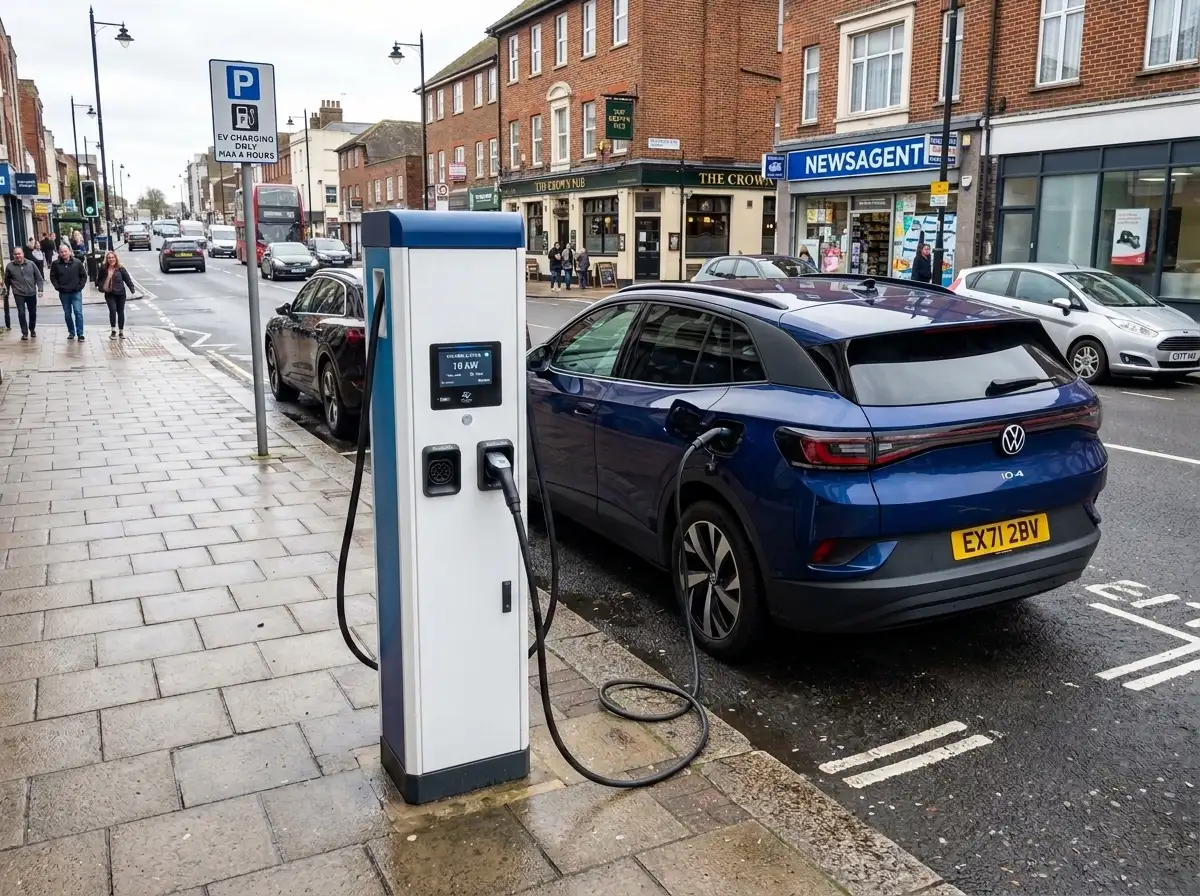
Read MoreAs the UK shifts towards a greener future, electric vehicles are becoming the standard on our roads. However, if you live in a terraced house or an apartment without private parking, making the switch can feel incredibly frustrating. Approximately 40% of homes in the UK do not have off-street parking. This creates a massive pain point: how can you enjoy the convenience and low running costs of home charging when you don’t have a driveway?
The Problem with Rubber Cable Protectors
Many drivers assume they can simply run a charging cable from their house, over the public pavement and directly to their car parked on the street. To prevent tripping hazards, some use heavy-duty rubber cable protectors. However, under Section 162 of the Highways Act 1980, placing a wire or cable across a public highway or pavement in a way that could cause an obstruction is an offence. Even if you use a rubber mat to cover the wire, you remain legally liable for any injuries sustained by pedestrians. Relying on trailing cables is simply not a long-term or legally secure solution.
The Realities of Public vs Home Charging
Without a safe home setup, drivers are forced to rely on public charging networks and the cost difference is staggering. Charging your EV at home can cost around 7p to 10p per kWh if you utilise a specialist EV energy tariff. This means powering your car can cost as little as 2p per mile. In stark contrast, public chargers typically cost between 45p and 85p per kWh. Over the lifespan of your vehicle, relying exclusively on public infrastructure will cost you thousands of pounds more than charging at home.

The Solution: Cross-Pavement Charging Channels
Fortunately, local authorities are waking up to this problem. The safest and most practical innovation for on-street charging is the cross-pavement channel, commonly known as a “gully”.This involves embedding a secure, self-closing channel directly into the pavement outside your home. When you need to charge, you simply slot your EV cable into the gully, keeping it flush with the ground and completely safe for pedestrians.Once your car is charged, the cable is easily removed.
Momentum for this solution is growing rapidly. By the end of 2026, 42% of local councils across England, Scotland, and Wales plan to have cross-pavement charging solutions available for their residents.
Financial Support: The 2026 EV Chargepoint Grant
To make this transition easier, the UK government has overhauled its funding. As of April 2026, the EV Charger Grant for households with on-street parking has been increased to offer up to £500 per socket. This grant is specifically designed for homeowners or renters who only have access to on-street parking and wish to install an approved cross-pavement charging solution legally and safely.
Contact Us for Professional EV Charger Installation
Navigating local council permissions, choosing the right charging unit, and ensuring your installation is fully compliant with UK law can be overwhelming. That is where MT Electrical comes in. As fully certified, OZEV-approved installers serving domestic and commercial clients across the Midlands, we take the stress out of your transition to electric driving. Whether you are looking to integrate a specialised cross-pavement gully system for on-street parking or need a sleek, high-speed wall charger fitted to your newly built driveway, our expert electricians design and safely install bespoke solutions tailored exactly to your property. We can even guide you through the process of claiming your £500 government grant.
Contact us today for a free, no-obligation site survey, and let us bring affordable, convenient EV charging right to your doorstep.